
This weekend we celebrated Nathan’s 6th birthday. It reminded me why we build child-friendly cities.
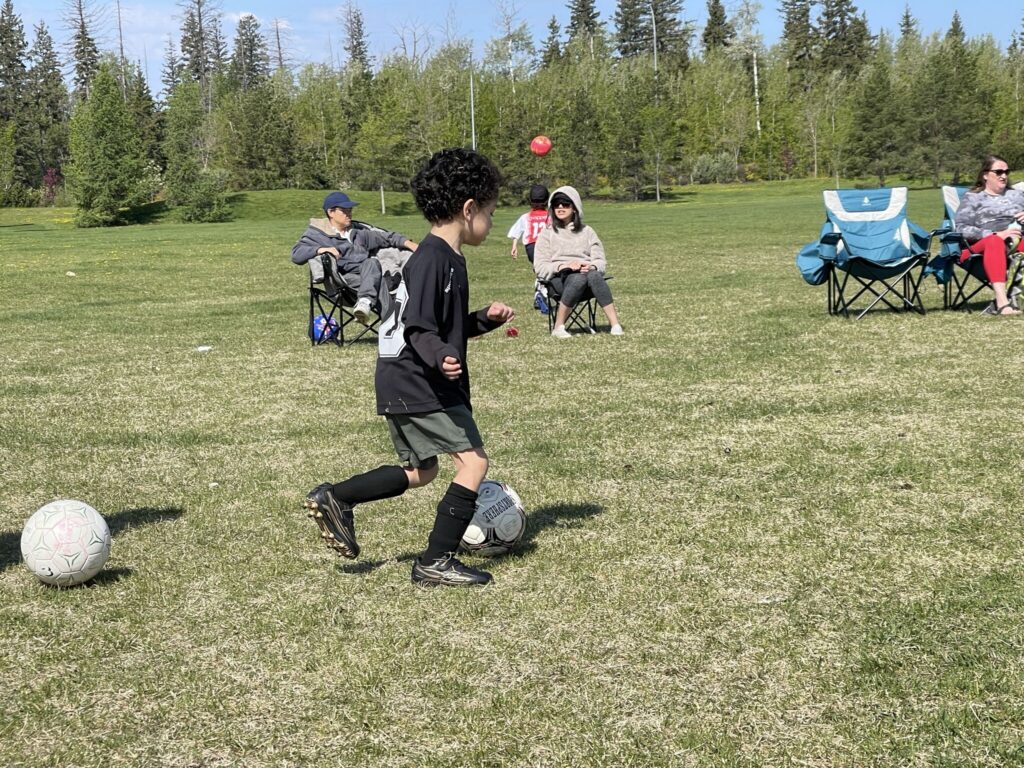
I watched him run across the park with his friends. He laughed freely and called out in English. In that moment, I realized how much had changed in just one year.
When he started kindergarten, Nathan didn’t speak English. Everything was new — the language, the routines, the culture. Like many parents, we wondered how long it would take for him to feel at home.
Today, he’s fully integrated. He plays soccer with confidence. He jokes with his classmates. He moves through his world with a strong sense of belonging.
Watching him grow into himself has been a privilege. But what truly struck me this weekend was how much our neighbourhood made this possible.
From Personal Story to Urban Responsibility
Nathan’s journey isn’t just a personal story. In many ways, It shows what strong communities can do.
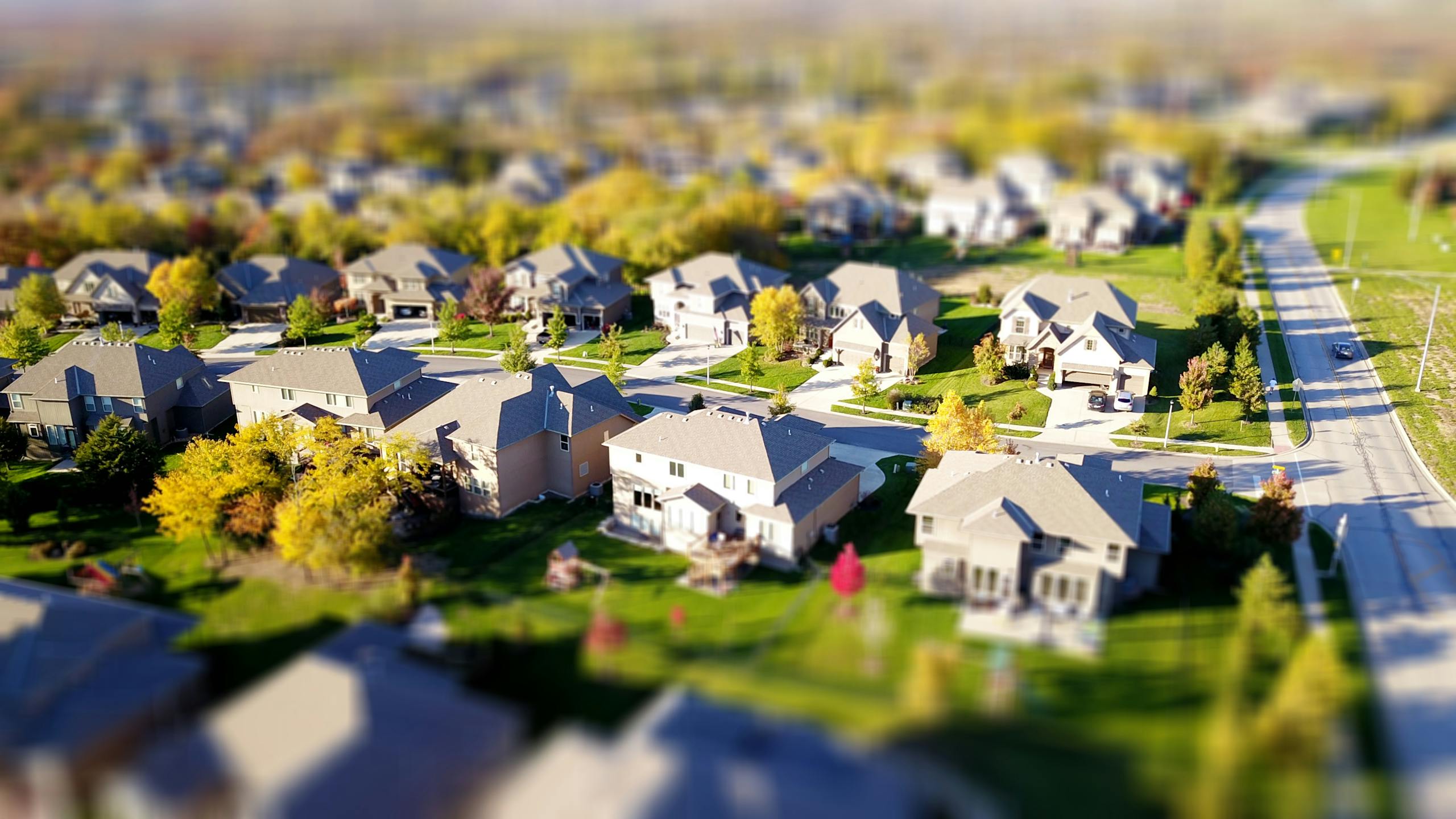
Great streets. Friendly faces. A school that welcomes difference. Parks within walking distance.
A city that, while not perfect, actively works to create space for everyone.
Child-friendly cities take time to build. They are shaped by intentional planning, inclusive schools, accessible parks, and communities that care.
At TrudoUrbani, we continue exploring how thoughtful urban design shapes everyday life. You can read more in our Urban Perspectives section.
City-building isn’t just a job — it’s a shared responsibility. All of us shape the places where kids grow up, find belonging, and build their first friendships.
— Marco Langzi
Intentional planning shapes these elements. In many ways, this is what defines strong child-friendly cities are the result of intentional planning, collaboration, and long-term care.
City-building is not limited to planners or elected officials. It involves educators, neighbours, parents, community leaders — all of us contribute to shaping the environments where children grow, learn, and build their first friendships.
What makes child-friendly cities truly work?
- Walkability: Streets where a child can walk a little ahead of their parents — discovering independence step by step.
- Inclusivity: Classrooms where a new language isn’t a barrier, but the beginning of belonging.
- Social Spaces: Parks where strangers become teammates, and teammates become friends.
- Everyday Encounters: The familiar faces on folding chairs, the casual conversations, the quiet presence of a community watching its children grow.
- Room to Grow: A city that allows children to make mistakes, build confidence, and slowly find their place in the world.
As parents, we celebrate birthdays with cake and candles.
But cities celebrate childhood in quieter, more enduring ways — through safe streets, welcoming schools, and open fields where a ball keeps rolling long after the game should have ended.
Thank you, Edmonton, for being part of Nathan’s story.
And thank you to everyone — planners, teachers, neighbours, community builders — who help create places where children don’t just live, but truly belong. #yeg
Ultimately, we build child-friendly cities to invest in the future.
What moments in your neighbourhood remind you that you are part of something bigger? How can we create more spaces like this together?
This reflection was first shared on LinkedIn as part of our ongoing conversation about building child-friendly cities.