When we celebrated Nathan’s sixth birthday in May 2025, I found myself reflecting on the neighbourhood that had helped him find his place.
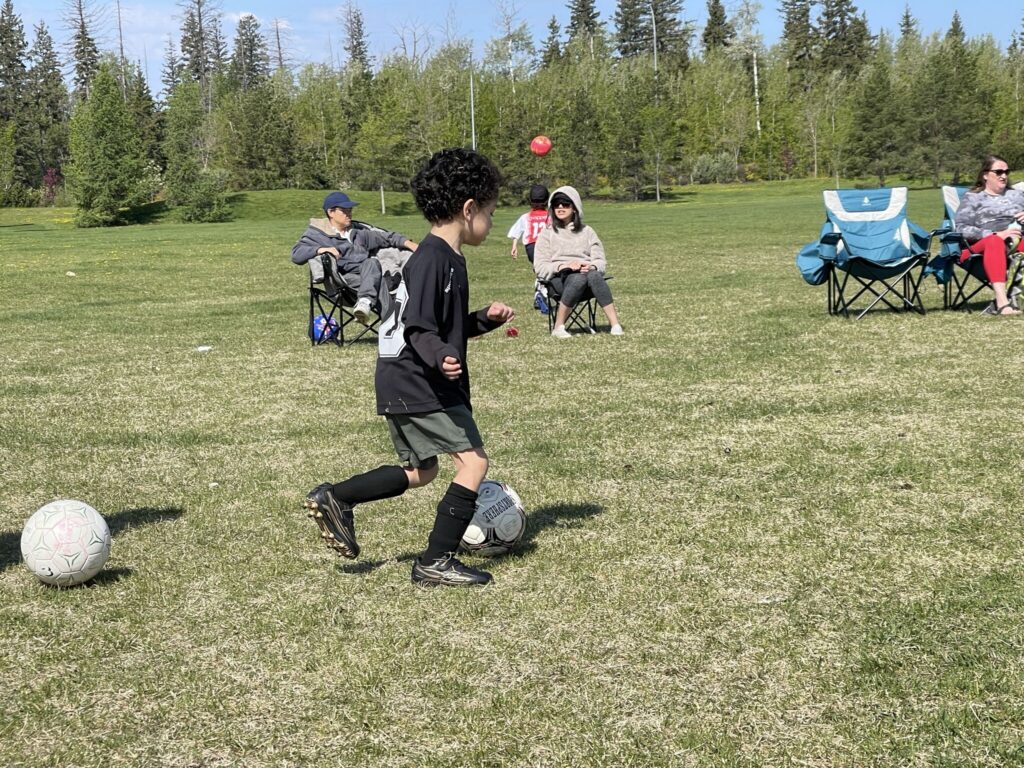
Watching him play soccer with his friends, I realised how much had changed since he started kindergarten.
When he started kindergarten, Nathan didn’t speak English. Everything was new — the language, the routines, the culture. Like many parents, we wondered how long it would take for him to feel at home.
By his sixth birthday, he was laughing with friends and finding confidence in familiar routines. His experience reminded me how much children’s independence and belonging depend on the people and places around them.
Watching him grow into himself has been a privilege. The neighbourhood was part of that experience: a welcoming school, nearby parks and opportunities to see the same children and neighbours regularly.
From Personal Story to Urban Responsibility
One child’s experience cannot establish how well a city serves every family. It can, however, help us identify the everyday conditions worth examining.
For a family, having a school or park nearby is only the first step. The route must be usable, the destination accessible and the experience welcoming enough for children to return.
Distance, street crossings, traffic conditions and accessibility affect how much adult supervision a journey requires. Those conditions shape whether a nearby amenity becomes part of daily life.
Planning helps provide the physical setting. Educators, families and neighbours help children use it and feel that they belong. Neither contribution can substitute for the other.
At TrudoUrbani, we continue exploring how thoughtful urban design shapes everyday life. You can read more in our Urban Perspectives section.
City-building isn’t just a job — it’s a shared responsibility. All of us shape the places where kids grow up, find belonging, and build their first friendships.
— Marcelo Figueira
The useful planning question is how these conditions work together. A park can be close to home and still difficult to reach. A walkable route can lead to a school where a child needs additional support. Families experience the whole journey.
City-building is not limited to planners or elected officials. It involves educators, neighbours, parents, and community leaders — all of us contribute to shaping the environments where children grow, learn, and build their first friendships.
What makes child-friendly cities truly work?
- Usable routes: Can children reach schools, parks and friends through crossings and paths suited to their age and ability?
- Welcoming institutions: Do schools and community programmes support children facing language, disability or other barriers to participation?
- Places to play: Are there accessible spaces for organised activity and informal play, with room for different ages?
- Everyday contact: Do the layout and use of local places allow children and adults to build familiarity through repeated encounters?
- Growing independence: Can children gradually do more for themselves without families having to accept unreasonable risks?
These questions bring child-friendly planning closer to daily experience. They direct attention to the links between housing, routes, schools and public space, rather than treating each as a separate provision.
I remain grateful to the teachers, neighbours and friends who helped Nathan feel at home. His story is personal, but the responsibility to make those opportunities available to more children is shared.
A child-friendly neighbourhood gives families more than nearby amenities. It makes those amenities usable and gives children opportunities to participate, build confidence and gradually move through their world with greater independence.
The test is practical: can children use the places we provide, and can families make them part of everyday life?
This reflection was first shared on LinkedIn as part of our ongoing conversation about building child-friendly cities.